

เทคโนโลยีการขนส่งด้วยลมสำหรับปุ๋ยไนโตรเจน: หลักการ การประยุกต์ใช้ และแนวโน้มการพัฒนา
ปุ๋ยไนโตรเจน ซึ่งเป็นส่วนสำคัญในการเกษตรสมัยใหม่ จำเป็นต้องมีระบบขนส่งที่มีประสิทธิภาพและน่าเชื่อถือ เพื่อให้การกระจายและการใช้งานเหมาะสมที่สุด เทคโนโลยีการขนส่งด้วยลมได้กลายเป็นวิธีการหลักในการจัดการปุ๋ยที่มีไนโตรเจน ให้ข้อได้เปรียบต่างๆ เช่น ค่าใช้จ่ายในการจัดการวัสดุลดลง ความปลอดภัยดีขึ้น และความยืดหยุ่นในการดำเนินงาน บทความนี้จะกล่าวถึงหลักการพื้นฐานของการขนส่งด้วยลมสำหรับปุ๋ยไนโตรเจน การประยุกต์ใช้จริง และแนวโน้มที่กำลังพัฒนาของเทคโนโลยีนี้
หลักการของการขนส่งด้วยลมสำหรับปุ๋ยไนโตรเจน
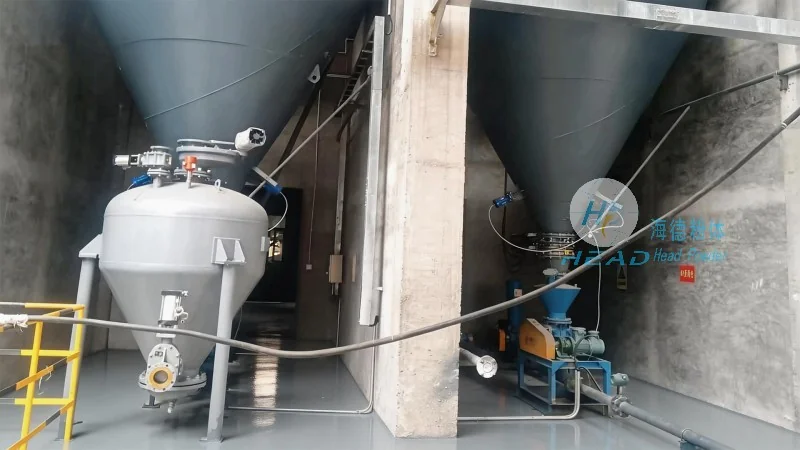
หลักการพื้นฐานของการขนส่งด้วยลมคือการใช้อากาศอัดหรือก๊าซอื่นๆ เพื่อขนส่งวัสดุหนักผ่านระบบท่อ ในกรณีของปุ๋ยไนโตรเจน วิธีนี้ใช้ความสามารถของอากาศในการเคลื่อนย้ายวัสดุที่เป็นเม็ดหรือผงโดยไม่ต้องสัมผัสกับชิ้นส่วนเครื่องจักรโดยตรง กระบวนการมักรวมถึงกลไกการป้อน ระบบขนส่ง และระบบการปล่อย โดยการควบคุมทิศทางและความเร็วของกระแสอากาศอย่างระมัดระวังเพื่อรักษาความเสถียรของการไหลของวัสดุ สำหรับปุ๋ยไนโตรเจนที่อาจมีข้อกำหนดการจัดการเฉพาะเนื่องจากคุณสมบัติทางเคมี การออกแบบระบบขนส่งต้องพิจารณาปัจจัยต่างๆ เช่น ปริมาณความชื้น ขนาดของอนุภาค และผลกระทบที่อาจก่อให้เกิดการกัดกร่อน บริษัท Shandong HeadPowder Engineering Co., Ltd. ซึ่งเป็นผู้ให้บริการชั้นนำในด้านนี้ เชี่ยวชาญในการพัฒนาโซลูชันการขนส่งด้วยลมที่ปรับแต่งตามลักษณะเฉพาะของปุ๋ยไนโตรเจน เพื่อให้การขนส่งวัสดุมีประสิทธิภาพและปลอดภัย
การประยุกต์ใช้เทคโนโลยีการขนส่งด้วยลมสำหรับปุ๋ยไนโตรเจน
เทคโนโลยีการขนส่งด้วยลมถูกนำไปใช้อย่างกว้างขวางในขั้นตอนต่างๆ ของการจัดการปุ๋ยไนโตรเจน ตั้งแต่สถานที่ผลิตไปจนถึงศูนย์เก็บและการกระจายสินค้า ในโรงงานผลิตปุ๋ย ใช้ในการขนส่งวัสดุก่อสร้าง ผลิตภัณฑ์ระหว่างการผลิต และปุ๋ยไนโตรเจนที่ผลิตเสร็จ ระหว่างหน่วยการประมวลผล เพื่อลดความจำเป็นในการจัดการด้วยมือและลดความเสี่ยงของการปนเปื้อน ในระหว่างการเก็บรักษา ระบบขนส่งด้วยลมช่วยให้สามารถถ่ายโอนปุ๋ยไนโตรเจนหนักจากถังเก็บหรือถังเก็บน้ำหนักไปยังอุปกรณ์บรรทุก ทำให้สามารถผสานเข้ากับยานพาหนะการขนส่งได้อย่างราบรื่น เทคโนโลยีนี้ยังถูกใช้ในสถานที่เกษตรกรรม โดยสามารถผสานเข้ากับระบบการใช้วัสดุปุ๋ยเพื่อส่งปุ๋ยไนโตรเจนในปริมาณที่แม่นยำไปยังพื้นที่ ช่วยเพิ่มผลผลิตของพืชและประสิทธิภาพการใช้ทรัพยากร ความหลากหลายของการขนส่งด้วยลมทำให้เหมาะสำหรับการดำเนินงานอุตสาหกรรมขนาดใหญ่และการใช้งานในเกษตรกรรมขนาดเล็ก ให้เป็นทางเลือกที่ยืดหยุ่นสำหรับขนาดการดำเนินงานที่แตกต่างกัน
ข้อได้เปรียบหลักของระบบขนส่งด้วยลม
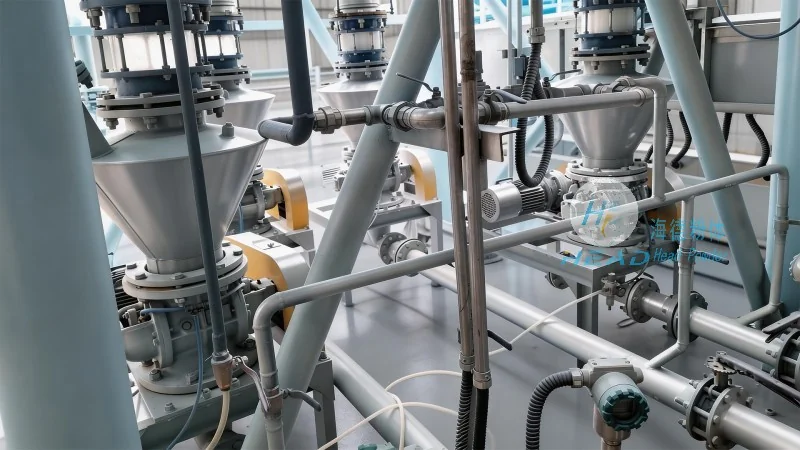
เมื่อเทียบกับวิธีการขนส่งด้วยเครื่องจักรแบบดั้งเดิม เทคโนโลยีการขนส่งด้วยลมมีข้อได้เปรียบที่ชัดเจนสำหรับการขนส่งปุ๋ยไนโตรเจน หนึ่งในข้อได้เปรียบหลักคือการลดค่าใช้จ่ายในการจัดการวัสดุ เนื่องจากระบบนี้ขจัดความจำเป็นในการใช้เครื่องจักรที่ซับซ้อนและกระบวนการที่ต้องใช้แรงงานมาก นอกจากนี้ ระบบขนส่งด้วยลมยังช่วยเพิ่มความปลอดภัยโดยลดการสัมผัสโดยตรงของมนุษย์กับวัสดุที่อาจเป็นอันตราย เช่น ปุ๋ยไนโตรเจน เทคโนโลยีนี้ยังช่วยเพิ่มความยืดหยุ่นในการดำเนินงาน ทำให้สามารถปรับเปลี่ยนอัตราการไหลและข้อกำหนดการจัดการวัสดุได้ง่ายโดยไม่ต้องมีการปรับเปลี่ยนระบบอย่างมาก นอกจากนี้ ระบบขนส่งด้วยลมสามารถออกแบบมาเพื่อจัดการขนาดอนุภาคและปริมาณความชื้นที่หลากหลาย ทำให้สามารถปรับตัวให้เหมาะกับสูตรปุ๋ยไนโตรเจนต่างๆ ได้ บริษัท Shandong HeadPowder Engineering Co., Ltd. เน้นข้อได้เปรียบเหล่านี้ในผลิตภัณฑ์ของพวกเขา โดยมุ่งเน้นการพัฒนาระบบที่มีประสิทธิภาพและน่าเชื่อถือที่ตอบสนองความต้องการเฉพาะของลูกค้าของพวกเขา
การพัฒนาทางเทคโนโลยีและแนวโน้มอนาคต
เนื่องจากความต้องการการขนส่งปุ๋ยไนโตรเจนที่มีประสิทธิภาพยังคงเพิ่มขึ้น การพัฒนาทางเทคโนโลยีกำลังขับเคลื่อนการพัฒนาระบบขนส่งด้วยลม ระบบสมัยใหม่ปัจจุบันมีการนำเทคโนโลยีควบคุมขั้นสูงมาใช้ เช่น การตรวจสอบการไหลอัตโนมัติและการปรับปรุงประสิทธิภาพแบบเรียลไทม์ เพื่อเพิ่มประสิทธิภาพการดำเนินงานและลดการใช้พลังงาน การบูรณาการเซ็นเซอร์และการวิเคราะห์ข้อมูลช่วยให้สามารถบำรุงรักษาได้อย่าง proactive และวิเคราะห์ประสิทธิภาพแบบพยากรณ์ ช่วยลดเวลาในการหยุดทำงานและยืดอายุการใช้งานของอุปกรณ์ขนส่ง นอกจากนี้ มีความสนใจเพิ่มขึ้นในทางเลือกที่ยั่งยืนและเป็นมิตรต่อสิ่งแวดล้อม บริษัทอย่าง Shandong HeadPowder Engineering Co., Ltd. กำลังลงทุนในการออกแบบและวัสดุที่มีประสิทธิภาพด้านพลังงานที่ลดผลกระทบต่อสิ่งแวดล้อมของการจัดการปุ๋ยไนโตรเจน อนาคตของการขนส่งด้วยลมสำหรับปุ๋ยไนโตรเจนอาจมีนวัตกรรมเพิ่มเติมในการออกแบบระบบ รวมถึงการพัฒนาระบบที่กะทัดรัดและแบบ modulare ที่เหมาะสำหรับการใช้งานหลากหลาย การพัฒนาเหล่านี้จะยังคงปรับปรุงประสิทธิภาพ ความปลอดภัย และความยั่งยืนของการขนส่งปุ๋ยไนโตรเจน ตอบสนองความต้องการของภาคเกษตรกรรมและอุตสาหกรรม
【标题】
Ammonia Fertilizer Pneumatic Conveying Technology: Principles, Applications, and Development Trends

【正文】
Ammonia fertilizer, a crucial component in modern agriculture, requires efficient and reliable transportation systems to ensure optimal distribution and application. Pneumatic conveying technology has emerged as a key solution for handling ammonia-based fertilizers, offering advantages such as reduced material handling costs, improved safety, and enhanced operational flexibility. This article explores the fundamental principles of ammonia fertilizer pneumatic conveying, its practical applications, and the evolving trends in this technology.
Principles of Pneumatic Conveying for Ammonia Fertilizers
The core principle of pneumatic conveying involves the use of compressed air or other gases to transport bulk materials through a pipeline system. In the context of ammonia fertilizers, this method leverages the ability of air to move granular or powdered substances without direct contact with mechanical components. The process typically includes a feeding mechanism, a conveying line, and a discharge system, with the air flow direction and velocity carefully controlled to maintain material flow stability. For ammonia fertilizers, which may have specific handling requirements due to their chemical properties, the design of the conveying system must consider factors like moisture content, particle size distribution, and potential corrosive effects. Shandong HeadPowder Engineering Co., Ltd., a leading provider in this field, specializes in developing customized pneumatic conveying solutions tailored to the unique characteristics of ammonia fertilizers, ensuring efficient and safe material transport.
Applications of Ammonia Fertilizer Pneumatic Conveying
Pneumatic conveying technology is widely applied in various stages of ammonia fertilizer handling, from production facilities to storage and distribution centers. In fertilizer manufacturing plants, it is used to transport raw materials, intermediate products, and finished ammonia-based fertilizers between processing units, minimizing the need for manual handling and reducing the risk of contamination. During storage, pneumatic conveyors facilitate the transfer of bulk ammonia fertilizers from silos or storage tanks to loading equipment, enabling seamless integration with transportation vehicles. The technology is also utilized in agricultural settings, where it can be integrated into fertilizer application systems to deliver precise amounts of ammonia fertilizer to fields, enhancing crop yields and resource efficiency. The versatility of pneumatic conveying makes it suitable for both large-scale industrial operations and smaller agricultural applications, providing a flexible solution for different operational scales.
Key Advantages of Pneumatic Conveying Systems
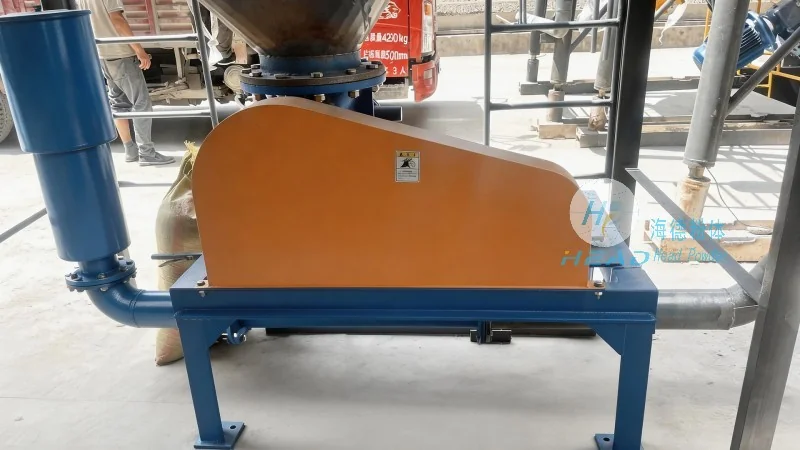
Compared to traditional mechanical conveying methods, pneumatic conveying offers several distinct advantages for ammonia fertilizer transport. One of the primary benefits is the reduction in material handling costs, as the system eliminates the need for complex machinery and labor-intensive processes. Additionally, pneumatic conveyors provide improved safety by minimizing direct human contact with potentially hazardous materials, such as ammonia-based fertilizers. The technology also enhances operational flexibility, allowing for easy adjustments to flow rates and material handling requirements without significant modifications to the system. Furthermore, pneumatic conveying systems can be designed to handle a wide range of particle sizes and moisture contents, making them adaptable to various ammonia fertilizer formulations. Shandong HeadPowder Engineering Co., Ltd. emphasizes these advantages in their product offerings, focusing on developing efficient and reliable systems that meet the specific needs of their clients.
Technological Developments and Future Trends
As the demand for efficient ammonia fertilizer transportation continues to grow, technological advancements are driving the evolution of pneumatic conveying systems. Modern systems now incorporate advanced control technologies, such as automated flow monitoring and real-time performance optimization, to enhance operational efficiency and reduce energy consumption. The integration of sensors and data analytics allows for proactive maintenance and predictive performance analysis, minimizing downtime and extending the lifespan of the conveying equipment. Additionally, there is a growing focus on sustainable and eco-friendly solutions, with companies like Shandong HeadPowder Engineering Co., Ltd. investing in energy-efficient designs and materials that reduce the environmental impact of ammonia fertilizer handling. The future of pneumatic conveying for ammonia fertilizers is likely to see further innovations in system design, including the development of more compact and modular systems suitable for diverse applications. These advancements will continue to improve the efficiency, safety, and sustainability of ammonia fertilizer transportation, supporting the needs of the agricultural and industrial sectors.