

การพิจารณาในการออกแบบระบบขนส่งด้วยลมสำหรับบาริอัสซัลเฟตที่ตกตะกอน
เมื่อออกแบบระบบขนส่งด้วยลมสำหรับบาริอัสซัลเฟตที่ตกตะกอน จำเป็นต้องพิจารณาปัจจัยสำคัญหลายประการเพื่อให้มั่นใจถึงประสิทธิภาพ ความน่าเชื่อถือ และความคุ้มค่า ในบาริอัสซัลเฟตที่ตกตะกอน (PBS) เป็นผงละเอียดที่ใช้กันอย่างแพร่หลายในงานอุตสาหกรรม การจัดการจะต้องใช้อุปกรณ์และการออกแบบระบบเฉพาะเพื่อป้องกันปัญหาต่างๆ เช่น การอุดตัน การระเบิดของฝุ่น หรือการเสื่อมสภาพของวัสดุ บทความนี้จะกล่าวถึงปัจจัยสำคัญในการออกแบบระบบดังกล่าว โดยเน้นถึงความเชี่ยวชาญของ Shandong HeadPowder Engineering Co., Ltd. ซึ่งเป็นผู้ให้บริการชั้นนำในด้านนี้
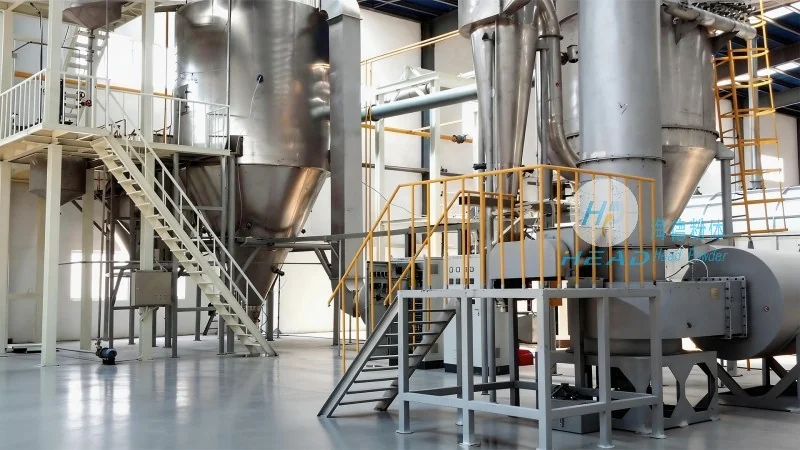
การเลือกระบบและคุณสมบัติของวัสดุ
ขั้นตอนแรกในการออกแบบระบบขนส่งด้วยลมสำหรับบาริอัสซัลเฟตที่ตกตะกอนคือการประเมินคุณสมบัติทางกายภาพของวัสดุ บาริอัสซัลเฟตที่ตกตะกอนมักมีขนาดอนุภาคอยู่ระหว่าง 1 ถึง 100 มิลลิเมตร โดยมีความหนาแน่นประมาณ 4.5 กรัม/ซม² คุณสมบัติเหล่านี้มีผลต่อการเลือกวิธีการขนส่ง ไม่ว่าจะเป็นแรงดันบวก แรงดันลบ หรือการผสมกัน ระบบแรงดันบวกที่ใช้ลมพัดเข้าไปในวัสดุเพื่อเคลื่อนย้ายนั้น มักเป็นตัวเลือกที่ดีสำหรับผงละเอียดอย่าง PBS เนื่องจากสามารถจัดการกับความเข้มข้นสูงได้และลดความเสี่ยงของการกระจายฝุ่น อย่างไรก็ตาม ระบบแรงดันลบเหมาะสำหรับการใช้งานที่ต้องการการปล่อยฝุ่นน้อยที่สุด แต่อาจไม่มีประสิทธิภาพมากนักสำหรับการขนส่งปริมาณมาก การเลือกระบบยังต้องพิจารณาถึงระยะทางและการเปลี่ยนแปลงความสูงระหว่างจุดต้นทางและจุดปลายทาง เพราะปัจจัยเหล่านี้มีผลต่อแรงดันลมและอัตราการไหลที่จำเป็น
การเลือกอุปกรณ์และการรวมองค์ประกอบ
องค์ประกอบสำคัญของระบบขนส่งด้วยลม ได้แก่ ตัวจ่าย ปั๊มลม ท่อขนส่ง และตัวรับ ตัวจ่ายมีความสำคัญมากสำหรับการจ่ายวัสดุอย่างสม่ำเสมอ เนื่องจากความผันผวนอาจทำให้ระบบไม่มีเสถียรภาพหรือเกิดการอุดตัน สำหรับผงละเอียดอย่าง PBS มักแนะนำให้ใช้วาล์วหมุนหรือตัวจ่ายน้ำหนักลดลงเพื่อรักษาอัตราการไหลที่สม่ำเสมอ ปั๊มลมต้องสามารถให้แรงดันและปริมาณที่จำเป็นได้ มีตัวเลือกเช่น ปั๊มสกรูหมุนหรือปั๊มแรงเหวี่ยง ขึ้นอยู่กับขนาดของระบบและความต้องการด้านประสิทธิภาพพลังงาน การออกแบบท่อขนส่งเป็นอีกปัจจัยสำคัญ เนื่องจากความเสียหายของวัสดุและแนวโน้มที่จะสะสมบนพื้นผิว จำเป็นต้องใช้วัสดุอย่างสแตนเลสหรือพลาสติกคุณภาพสูงเพื่อป้องกันการสึกหรอและการอุดตัน นอกจากนี้ การมีองค์ประกอบอย่างตัวกรอง ไซคลิคส์ และตัวเก็บฝุ่นเป็นสิ่งจำเป็นเพื่อรักษาคุณภาพอากาศและปฏิบัติตามกฎหมายสิ่งแวดล้อม องค์ประกอบเหล่านี้ต้องถูกรวมเข้าด้วยกันอย่างราบรื่นเพื่อให้การขนส่งวัสดุเป็นไปอย่างราบรื่นและลดเวลาที่ระบบหยุดทำงาน
การปรับแต่งอัตราการไหลและแรงดัน
การปรับแต่งอัตราการไหลและแรงดันเป็นสิ่งสำคัญสำหรับการทำงานที่มีประสิทธิภาพของระบบขนส่งด้วยลม อัตราการไหลถูกกำหนดโดยความหนาแน่นของวัสดุ ความแปรปรวนของขนาดอนุภาค และพารามิเตอร์การออกแบบของระบบ อัตราการไหลที่สูงอาจจำเป็นสำหรับปริมาณ PBS ที่มาก แต่ต้องถูกปรับสมดุลกับความเสี่ยงของการใช้พลังงานมากขึ้นและความเสี่ยงของการเกินแรงดันของระบบ การปรับแต่งแรงดันมีความเกี่ยวข้องโดยตรงกับระยะทางการขนส่งและการเปลี่ยนแปลงความสูง ความดันที่สูงขึ้นจำเป็นสำหรับเส้นทางการขนส่งที่ยาวหรือชัน อย่างไรก็ตาม ความดันที่สูงเกินไปอาจทำให้อุปกรณ์สึกหรอมากขึ้นและเพิ่มค่าใช้จ่ายในการดำเนินงาน Shandong HeadPowder Engineering Co., Ltd. ใช้เครื่องมือจำลองขั้นสูงเพื่อสร้างแบบจำลองการทำงานของระบบ ทำให้สามารถปรับแต่งอัตราการไหลและแรงดันได้อย่างแม่นยำตามความต้องการของโครงการ วิธีนี้ช่วยให้ระบบทำงานได้อย่างมีประสิทธิภาพสูงสุด พร้อมลดการสูญเสียพลังงานและความต้องการในการบำรุงรักษา
การป้องกันการอุดตันและการเสื่อมสภาพของวัสดุ
การอุดตันเป็นปัญหาที่พบบ่อยในระบบขนส่งด้วยลม โดยเฉพาะกับผงละเอียดอย่างบาริอัสซัลเฟตที่ตกตะกอน การอุดตันอาจเกิดจากการเชื่อมต่อของวัสดุ การรวมตัวของอนุภาค หรือความชื้นที่มากเกินไป เพื่อป้องกันเรื่องนี้ การออกแบบระบบควรมีฟีเจอร์ เช่น จุดพ่นคลื่น อุปกรณ์สั่นสะเทือน หรือสารป้องกันการเกิดคราบ เพื่อรักษาความสามารถในการไหลของวัสดุ นอกจากนี้ การใช้ท่อที่มีอุณหภูมิสูงสามารถช่วยป้องกันการสะสมของความชื้น ซึ่งเป็นสาเหตุหลักของการรวมตัวของอนุภาคใน PBS การเสื่อมสภาพของวัสดุ เช่น การลดขนาดอนุภาคหรือการเปลี่ยนแปลงทางเคมี ก็อาจเกิดขึ้นได้หากระบบไม่ได้รับการออกแบบอย่างเหมาะสม สภาพที่มีแรงกระแทกสูงหรือความเสียหายสามารถทำให้อุปกรณ์สึกหรอ ทำให้ค่าใช้จ่ายในการบำรุงรักษาเพิ่มขึ้นและอายุการใช้งานของระบบลดลง Shandong HeadPowder Engineering Co., Ltd. แนะนำให้มีการบำรุงรักษาอย่างสม่ำเสมอและใช้วัสดุที่ทนทานต่อการสึกหรอเพื่อลดปัญหาเหล่านี้ ทำให้ระบบมีความน่าเชื่อถือในระยะยาว
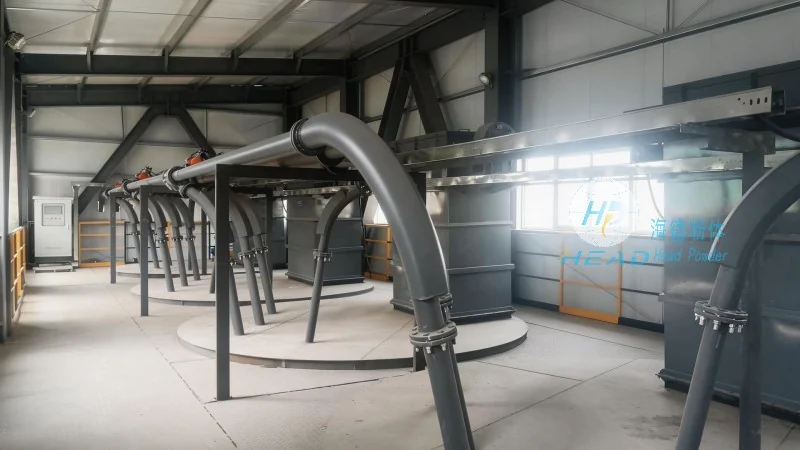
การพิจารณาด้านสิ่งแวดล้อมและความปลอดภัย
กฎหมายด้านสิ่งแวดล้อมและความปลอดภัยเป็นปัจจัยสำคัญในการออกแบบระบบขนส่งด้วยลมสำหรับวัสดุที่เป็นอันตราย เช่น บาริอัสซัลเฟตที่ตกตะกอน ระบบต้องออกแบบให้ลดการปล่อยฝุ่นและปฏิบัติตามมาตรฐานคุณภาพอากาศในท้องถิ่น นี่รวมถึงการใช้ระบบเก็บฝุ่นที่มีประสิทธิภาพ เช่น ไซคลิคส์หรือบากเฮาส์ เพื่อเก็บและกรองอากาศก่อนที่จะปล่อยออกสู่สิ่งแวดล้อม นอกจากนี้ ระบบควรมีฟีเจอร์ความปลอดภัย เช่น วาล์วระบายแรงดัน วาล์วปิดฉุกเฉินฉุกเฉิน และส่วนประกอบที่ป้องกันการระเบิด เพื่อป้องกันอุบัติเหตุ การออกแบบยังต้องพิจารณาถึงความเป็นไปได้ที่ฝุ่นของวัสดุอาจทำให้เกิดปัญหาเกี่ยวกับระบบทางเดินหายใจหรืออันตรายต่อสุขภาพของคนงาน ทำให้ต้องมีการระบายอากาศที่เหมาะสมและอุปกรณ์ป้องกันส่วนบุคคล (PPE) สำหรับผู้ปฏิบัติงาน Shandong HeadPowder Engineering Co., Ltd. ปฏิบัติตามกฎหมายด้านความปลอดภัยและสิ่งแวดล้อมทั้งหมด ทำให้ระบบของพวกเขาไม่เพียงแต่มีประสิทธิภาพ แต่ยังปลอดภัยและมีความรับผิดชอบต่อสิ่งแวดล้อม
กรณีศึกษา: การดำเนินการที่ประสบความสำเร็จโดย Shandong HeadPowder Engineering Co., Ltd.
Shandong HeadPowder Engineering Co., Ltd. ได้ดำเนินการระบบขนส่งด้วยลมสำหรับบาริอัสซัลเฟตที่ตกตะกอนในงานอุตสาหกรรมต่างๆ อย่างประสบความสำเร็จ โครงการหนึ่งเกี่ยวข้องกับผู้ผลิตยาในประเทศจีน ซึ่งบริษัทได้ออกแบบระบบแรงดันบวกเพื่อขนส่ง PBS จากคลังเก็บไปยังโรงงานผลิตในระยะทาง 200 เมตรพร้อมกับการเปลี่ยนแปลงความสูง 10 เมตร ระบบได้รับการปรับแต่งให้มีอัตราการไหลสูงและแรงดันต่ำ ลดการใช้พลังงานลง 20% เมื่อเทียบกับระบบแบบดั้งเดิม การใช้ท่อสแตนเลสและสารป้องกันการเกิดคราบช่วยป้องกันการอุดตันและการเสื่อมสภาพของวัสดุ ทำให้คุณภาพของผลิตภัณฑ์คงที่ โครงการนี้เสร็จสมบูรณ์ตามเวลาและในงบประมาณ ระบบทำงานได้อย่างน่าเชื่อถือเป็นเวลากว่า 5 ปี ความสำเร็จนี้แสดงให้เห็นถึงความเชี่ยวชาญและความมุ่งมั่นของ Shandong HeadPowder Engineering Co., Ltd. ในการให้บริการระบบขนส่งด้วยลมที่เหมาะสมกับความต้องการของลูกค้า พร้อมปฏิบัติตามแนวปฏิบัติของอุตสาหกรรม
【标题】
Design Considerations for the Pneumatic Conveying System of Precipitated Barium Sulfate
【正文】
When designing a pneumatic conveying system for precipitated barium sulfate, several critical factors must be considered to ensure efficiency, reliability, and cost-effectiveness. Precipitated barium sulfate (PBS) is a fine powder commonly used in industrial applications, and its handling requires specialized equipment and system design to prevent issues like blockages, dust explosions, or material degradation. This article outlines key design considerations for such systems, emphasizing the expertise of Shandong HeadPowder Engineering Co., Ltd., a leading provider in the field.
System Selection and Material Characteristics
The first step in designing a pneumatic conveying system for precipitated barium sulfate is to evaluate the material's physical properties. Precipitated barium sulfate typically has a particle size ranging from 1 to 100 microns, with a specific gravity around 4.5 g/cm³. These characteristics influence the choice of conveying method—whether it's a positive pressure, negative pressure, or a combination of both. Positive pressure systems, where air is blown into the material to move it, are often preferred for fine powders like PBS due to their ability to handle high concentrations and reduce the risk of dust dispersion. Negative pressure systems, on the other hand, are suitable for applications requiring minimal dust emission but may be less efficient for high-volume transport. The system selection must also consider the distance and elevation changes between the source and destination points, as these factors impact the required air pressure and flow rate.
Equipment Selection and Component Integration
Key equipment components for a pneumatic conveying system include the feeder, air compressor, pipeline, and receiver. The feeder is crucial for consistent material feeding, as fluctuations can lead to system instability or blockages. For fine powders like PBS, a rotary valve or a loss-in-weight feeder is often recommended to maintain a steady flow rate. The air compressor must be capable of delivering the required pressure and volume, with options such as rotary screw or centrifugal compressors depending on the system's scale and energy efficiency needs. The pipeline design is another critical aspect, as the material's abrasiveness and tendency to build up on surfaces require materials like stainless steel or high-grade plastic to prevent wear and clogging. Additionally, the inclusion of components like filters, cyclones, and dust collectors is essential to maintain air quality and comply with environmental regulations. These components must be integrated seamlessly to ensure smooth material transport and minimize downtime.
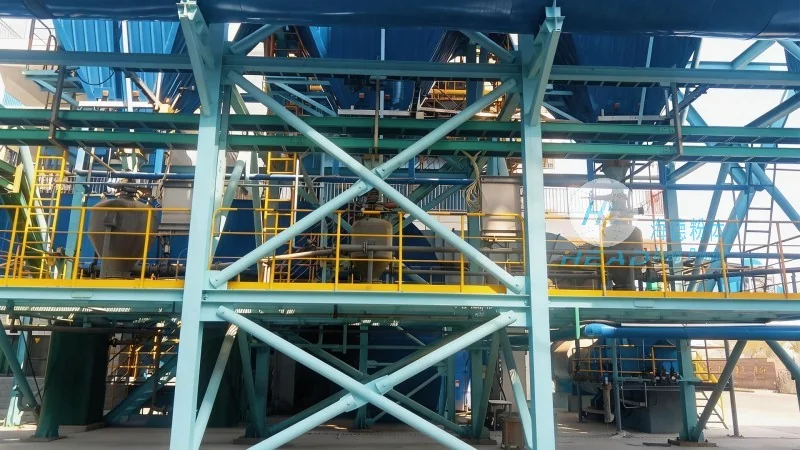
Flow Rate and Pressure Optimization
Optimizing the flow rate and pressure is vital for the efficient operation of a pneumatic conveying system. The flow rate is determined by the material's bulk density, particle size distribution, and the system's design parameters. A higher flow rate may be necessary for larger quantities of PBS, but it must be balanced against the risk of increased energy consumption and potential system overload. The pressure level is directly related to the conveying distance and elevation changes; higher pressures are required for longer or steeper conveying routes. However, excessive pressure can lead to increased wear on equipment and higher operational costs. Shandong HeadPowder Engineering Co., Ltd. employs advanced simulation tools to model the system's performance, allowing for precise optimization of flow rates and pressures based on specific project requirements. This approach ensures that the system operates at peak efficiency while minimizing energy waste and maintenance needs.
Preventing Blockages and Material Degradation
Blockages are a common issue in pneumatic conveying systems, especially with fine powders like precipitated barium sulfate. These blockages can occur due to material bridging, agglomeration, or excessive moisture. To prevent this, the system design should include features such as pulse jets, vibration devices, or anti-caking agents to maintain material flowability. Additionally, the use of heated pipelines can help prevent moisture buildup, which is a major cause of agglomeration in PBS. Material degradation, such as particle size reduction or chemical changes, can also occur if the system is not properly designed. High-impact or abrasive conditions can cause wear on equipment, leading to increased maintenance costs and reduced system lifespan. Shandong HeadPowder Engineering Co., Ltd. recommends regular maintenance schedules and the use of wear-resistant materials to mitigate these issues, ensuring the system's long-term reliability.
Environmental and Safety Considerations
Environmental and safety regulations are critical factors in the design of pneumatic conveying systems for hazardous materials like precipitated barium sulfate. The system must be designed to minimize dust emissions and comply with local air quality standards. This includes the use of efficient dust collection systems, such as cyclones or baghouses, to capture and filter the air before it is released into the environment. Additionally, the system should be equipped with safety features like pressure relief valves, emergency shut-off valves, and explosion-proof components to prevent accidents. The design must also consider the potential for material dust to cause respiratory issues or other health hazards, requiring proper ventilation and personal protective equipment (PPE) for operators. Shandong HeadPowder Engineering Co., Ltd. adheres to all relevant safety and environmental regulations, ensuring that their systems are not only efficient but also safe and environmentally responsible.
Case Study: Successful Implementation by Shandong HeadPowder Engineering Co., Ltd.
Shandong HeadPowder Engineering Co., Ltd. has successfully implemented numerous pneumatic conveying systems for precipitated barium sulfate in various industrial applications. One notable project involved a pharmaceutical manufacturer in China, where the company designed a positive pressure system to transport PBS from a storage silo to a processing plant over a distance of 200 meters with a 10-meter elevation change. The system was optimized for high flow rates and low pressure, reducing energy consumption by 20% compared to traditional systems. The use of stainless steel pipelines and anti-caking agents prevented blockages and material degradation, ensuring consistent product quality. The project was completed on time and within budget, with the system operating reliably for over five years. This success demonstrates the expertise and commitment of Shandong HeadPowder Engineering Co., Ltd. in providing tailored solutions for pneumatic