

การพิจารณาในการออกแบบระบบขนส่งด้วยลมสำหรับลิเธียมโคบอลต์ออกไซด์
เมื่อออกแบบระบบขนส่งด้วยลมสำหรับลิเธียมโคบอลต์ออกไซด์ (LCO) จำเป็นต้องพิจารณาปัจจัยสำคัญหลายประการเพื่อให้มั่นใจถึงประสิทธิภาพ ความปลอดภัย และอายุการใช้งาน บทความนี้จะกล่าวถึงปัจจัยสำคัญในการออกแบบ โดยเน้นถึงความเชี่ยวชาญของ Shandong HeadPowder Engineering Co., Ltd. ซึ่งเป็นผู้ให้บริการชั้นนำในด้านนี้
การเลือกวัสดุและความเข้ากันได้
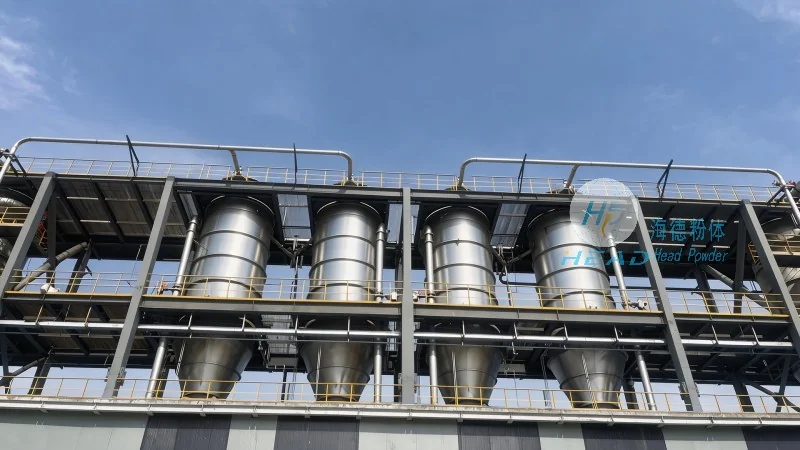
การเลือกวัสดุที่เหมาะสมสำหรับส่วนประกอบต่างๆ เช่น ถังบรรจุ ท่อส่ง และวาล์ว เป็นเรื่องสำคัญมาก ลิเธียมโคบอลต์ออกไซด์เป็นผงละเอียดที่มีความแข็งกรอบซึ่งอาจทำให้เกิดการสึกหรอและการกัดกร่อนตามเวลา สแตนเลสไม่ทนต่อการกัดกร่อนและการสึกหรอ มักใช้สแตนเลส 316L เพื่อความทนทาน นอกจากนี้ ยังสามารถใช้วัสดุอย่าง PTFE หรือสีเคลือบพิเศษบนพื้นผิวภายในเพื่อลดแรงเสียดทานและป้องกันการสะสมของวัสดุ วิศวกรของ HeadPowder แนะนำให้ทำการทดสอบความเข้ากันได้ของวัสดุอย่างละเอียดเพื่อหลีกเลี่ยงการเสื่อมสภาพของผลิตภัณฑ์ LCO
การปรับแต่งแรงดันและอัตราการไหลของระบบ
แรงดันและอัตราการไหลของระบบลมมีผลโดยตรงต่อประสิทธิภาพการขนส่งและการใช้พลังงาน ระบบแรงดันสูงเหมาะสำหรับการใช้งานระยะไกลหรือการใช้งานที่มีความต้านทานสูง ในขณะที่ระบบแรงดันต่ำเหมาะสำหรับระยะทางสั้นที่มีความต้านทานต่ำ อัตราการไหลต้องถูกปรับแต่งอย่างระมัดระวังเพื่อป้องกันการอุดตันหรือการสึกหรอมากเกินไป ทีมออกแบบของ HeadPowder ใช้การจำลองพลศาสตร์ของอากาศที่ทันสมัย (CFD) เพื่อปรับแต่งแรงดันและพารามิเตอร์การไหล ทำให้ระบบทำงานอยู่ในช่วงที่เหมาะสมสำหรับลิเธียมโคบอลต์ออกไซด์
การกำหนดขนาดอุปกรณ์และการวางแผนความสามารถในการผลิต
การกำหนดขนาดถังบรรจุ ไซโคลไนซ์ และตัวกรองอย่างเหมาะสมเป็นสิ่งสำคัญเพื่อรักษาการไหลของวัสดุอย่างสม่ำเสมอและป้องกันการหยุดทำงานของระบบ การออกแบบถังบรรจุควรคำนึงถึงความหนาแน่นและลักษณะการไหลของ LCO เพื่อให้การปล่อยวัสดุเป็นไปอย่างราบรื่นโดยไม่มีการขวางหรือการสร้างช่องว่าง ไซโคลไนซ์และตัวกรองต้องมีขนาดที่เหมาะสมเพื่อจัดการกับปริมาณฝุ่นที่คาดหวังและรักษาคุณภาพอากาศ วิศวกรของ HeadPowder ทำการวิเคราะห์ความสามารถในการผลิตอย่างละเอียดเพื่อกำหนดขนาดอุปกรณ์ที่เหมาะสม ทำให้ระบบสามารถตอบสนองความต้องการการผลิตได้โดยไม่ทำให้ส่วนประกอบถูกบีบคับ
ความปลอดภัยและการพิจารณาทางสิ่งแวดล้อม
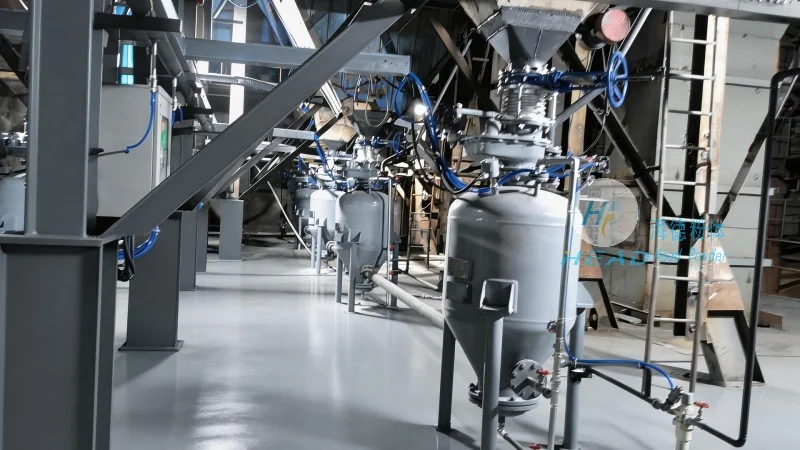
ลิเธียมโคบอลต์ออกไซด์เป็นวัสดุที่มีความเสี่ยง ระบบขนส่งด้วยลมจึงต้องมีคุณสมบัติด้านความปลอดภัยที่มั่นคง การออกแบบที่ทนต่อการระเบิดมักจำเป็นสำหรับระบบที่จัดการกับผงละเอียด เพราะอาจก่อให้เกิดความเสี่ยงต่อการเกิดเพลิงไหม้และการระเบิด นอกจากนี้ ต้องติดตั้งระบบการรวบรวมฝุ่นและหน่วยกรองอากาศเพื่อปฏิบัติตามกฎหมายสิ่งแวดล้อมและปกป้องบุคลากร ระบบของ HeadPowder ถูกออกแบบโดยให้ความปลอดภัยเป็นสิ่งสำคัญสูงสุด โดยมีคุณสมบัติเช่น วาล์วระบายแรงดัน กลไกการปิดฉุกเฉินฉุกเฉิน และการตรวจสอบแบบเรียลไทม์เพื่อลดความเสี่ยง
การบำรุงรักษาและอายุการใช้งาน
การบำรุงรักษาปกติเป็นสิ่งสำคัญสำหรับประสิทธิภาพระยะยาวของระบบขนส่งด้วยลม ส่วนประกอบเช่น วาล์วตรวจสอบ ตัวกรอง และไซโคลไนซ์ต้องได้รับการทำความสะอาดและการเปลี่ยนใหม่เป็นประจำเพื่อป้องกันการอุดตันและรักษาประสิทธิภาพ HeadPowder ให้บริการการบำรุงรักษาอย่างครบถ้วน และแนะนำกำหนดการบำรุงรักษาป้องกันที่เหมาะสมกับการใช้งานของระบบและลักษณะของวัสดุ ด้วยการปฏิบัติตามแนวทางเหล่านี้ อายุการใช้งานของระบบสามารถขยายออก และค่าใช้จ่ายในการดำเนินงานสามารถลดลงได้
การปรับแต่งและการบูรณาการ
ระบบขนส่งด้วยลมสำหรับลิเธียมโคบอลต์ออกไซด์แต่ละระบบมีความเป็นเอกลักษณ์ HeadPowder ให้บริการโซลูชันที่ปรับแต่งเองเพื่อตอบสนองความต้องการของลูกค้า ไม่ว่าจะเป็นการบูรณาการกับสายการผลิตที่มีอยู่หรือการออกแบบระบบใหม่ตั้งแต่เริ่มต้น วิศวกรของบริษัททำงานร่วมกับลูกค้าอย่างใกล้ชิดเพื่อเข้าใจความต้องการการดำเนินงานของพวกเขาและให้การออกแบบที่เหมาะสม ความเชี่ยวชาญของ HeadPowder ในการจัดการวัสดุและระบบลมช่วยให้แต่ละระบบได้รับการปรับแต่งเพื่อประสิทธิภาพ ความน่าเชื่อถือ และความคุ้มค่า
【标题】
Design Considerations for Lithium Cobalt Oxide Pneumatic Conveying Systems
【正文】
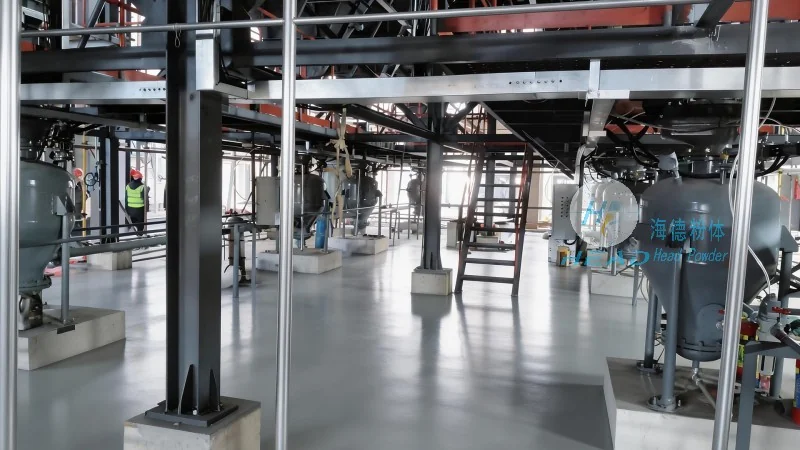
When designing a pneumatic conveying system for lithium cobalt oxide (LCO), several critical factors must be considered to ensure efficiency, safety, and longevity. This article outlines key design considerations, emphasizing the expertise of Shandong HeadPowder Engineering Co., Ltd., a leading provider in the field.
Material Selection and Compatibility
Choosing the right materials for components such as hoppers, pipelines, and valves is paramount. Lithium cobalt oxide is a fine, abrasive powder that can cause wear and corrosion over time. Stainless steel, particularly 316L, is commonly used for its resistance to corrosion and wear. Additionally, materials like PTFE or special coatings may be applied to internal surfaces to minimize friction and prevent material buildup. HeadPowder engineers recommend thorough material compatibility testing to avoid degradation of the LCO product.
System Pressure and Flow Rate Optimization
The pressure and flow rate of the pneumatic system directly impact the conveying efficiency and energy consumption. High-pressure systems are suitable for long-distance or high-resistance applications, while low-pressure systems are ideal for short distances with low resistance. The flow rate must be carefully calibrated to prevent clogging or excessive wear on the system components. HeadPowder's design team utilizes advanced computational fluid dynamics (CFD) simulations to optimize pressure and flow parameters, ensuring the system operates within the optimal range for lithium cobalt oxide.
Equipment Sizing and Capacity Planning
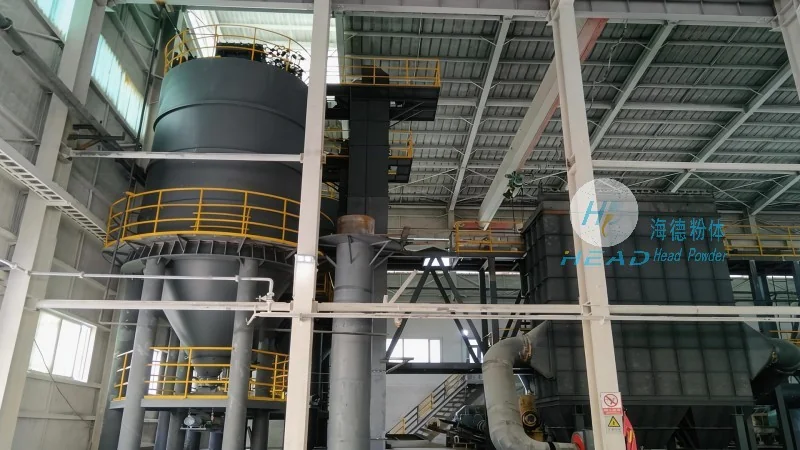
Proper sizing of hoppers, cyclones, and filters is essential to maintain consistent material flow and prevent system downtime. The hopper design should account for the bulk density and flow characteristics of LCO, ensuring smooth discharge without bridging or rat-holing. Cyclones and filters must be sized to handle the expected dust load and maintain air quality. HeadPowder engineers conduct detailed capacity analyses to determine the appropriate equipment dimensions, ensuring the system can meet production demands without overloading components.
Safety and Environmental Considerations
Lithium cobalt oxide is a hazardous material, and the pneumatic conveying system must incorporate robust safety features. Explosion-proof designs are often required for systems handling fine powders, as they can pose fire and explosion risks. Additionally, dust collection systems and air filtration units must be installed to comply with environmental regulations and protect personnel. HeadPowder's systems are designed with safety as a top priority, incorporating features such as pressure relief valves, emergency shut-off mechanisms, and real-time monitoring to mitigate risks.
Maintenance and Operational Longevity
Regular maintenance is crucial for the long-term performance of a pneumatic conveying system. Components like check valves, filters, and cyclones require periodic cleaning and replacement to prevent clogging and maintain efficiency. HeadPowder provides comprehensive maintenance services and recommends a preventive maintenance schedule tailored to the system's usage and material characteristics. By adhering to these guidelines, the system's lifespan can be extended, and operational costs reduced.
Customization and Integration
Every lithium cobalt oxide pneumatic conveying system is unique, and HeadPowder offers customized solutions to meet specific client requirements. Whether integrating with existing production lines or designing a new system from the ground up, the company's engineers work closely with clients to understand their operational needs and provide tailored designs. HeadPowder's expertise in material handling and pneumatic systems ensures that each system is optimized for performance, reliability, and cost-effectiveness.